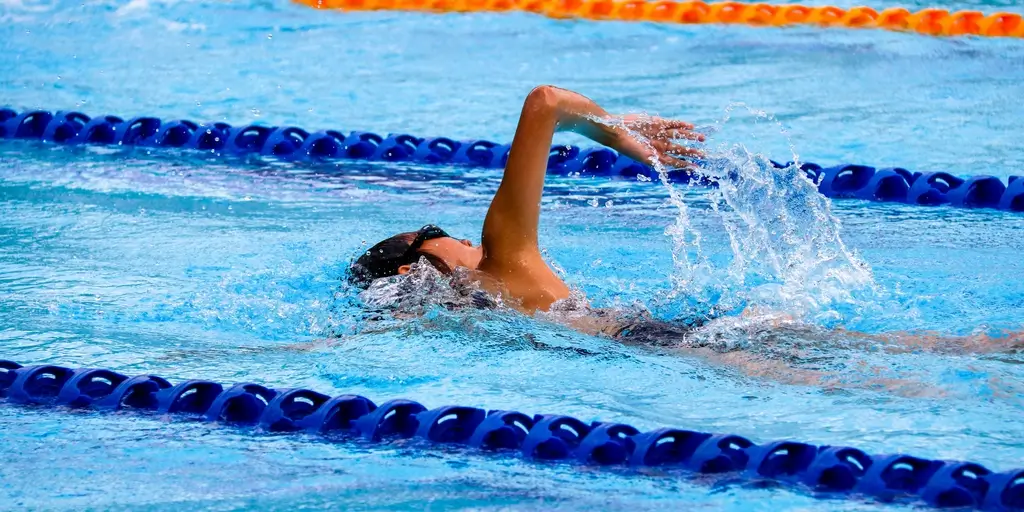
Swimming is not just about moving through water. It’s an art that combines technique, strength, and stamina. One of the most overlooked yet crucial components of swimming is functional breathing. Mastering your breathing technique can significantly enhance your swimming efficiency, endurance, and overall performance in the pool or open water.
Understanding Functional Breathing
Before diving into how breathing affects your swimming, it’s important to understand what functional breathing means. Functional breathing is about using your breath effectively to optimize oxygen intake and carbon dioxide exchange. When it comes to swimming, this means inhaling and exhaling in a way that supports movement, conserves energy, and maintains balance in the water.
The Role of Breathing in Swimming
The relationship between breathing and swimming is symbiotic. Proper breathing enables better stroke technique and helps maintain a streamlined body position. Here are some ways in which breathing impacts your swimming technique:
- Balance and Buoyancy: Proper breathing aids in maintaining balance and buoyancy, allowing swimmers to stay on top of the water, reducing drag.
- Timing and Rhythm: Breath timing can influence stroke rhythm. Efficient breaths are synchronized with arm and leg movements, promoting a smooth and efficient stroke cycle.
- Energy Conservation: Functional breathing helps conserve energy by minimizing unnecessary movements and ensuring optimal oxygen usage.
- Endurance and Speed: By mastering your breathing, you enhance your endurance, allowing you to sustain speed over longer distances without fatigue.
Techniques for Developing Functional Breathing
To integrate functional breathing into your swimming routine, consider practicing these techniques:
- Bilateral Breathing: This involves breathing on both sides. It helps in developing a balanced stroke and reduces neck tension. Practice bilateral breathing by incorporating it into your drills and main sets.
- Exhale Underwater: To avoid feeling breathless, exhale continuously and smoothly underwater. This ensures your lungs are ready to inhale as soon as your mouth clears the water.
- Diaphragmatic Breathing: Focus on engaging your diaphragm rather than shoulder muscles when taking breaths. This deep breathing method improves oxygen intake and relaxes your muscles.
- Counted Breathing Patterns: Progress into different breathing patterns, such as breathing every two, three, or five strokes. This challenges lung capacity and strengthens your diaphragm over time.
- Breath Control Drills: Incorporate swimming drills that focus on breath management, such as hypoxic drills, where you reduce the frequency of breaths.
Common Mistakes and How to Avoid Them
Some common mistakes can hinder your breathing efficiency. Here are a few to watch out for:
- Holding Your Breath: Many swimmers make the mistake of holding their breath while their face is in the water. This creates unwanted tension and delays efficient breathing.
- Over-Rotating: Proper rotation is critical, but over-rotating to breathe can disrupt your stroke mechanics. Aim for minimal and efficient head turn.
- Inconsistent Breathing: Maintaining a consistent breath pattern is vital. Switching patterns haphazardly can lead to fatigue and reduced stroke performance.
Building Breath Awareness
Developing an awareness of your breath can greatly enhance your swimming technique. Consider incorporating mindfulness practices and breathing exercises into your daily routine. Yoga and meditation can significantly improve your ability to maintain focus and manage breath under stress.
Whether you are a seasoned swimmer or just starting, mastering functional breathing will transform your swimming experience. It’s more than just inhaling and exhaling; it’s about syncing your breath with your body, creating a harmonious and efficient swimming technique. So next time you hit the water, think about your breathing – it might just be the key to unlocking your swimming potential.