Hypertension, commonly known as high blood pressure, is a pervasive condition that affects millions worldwide. It is a significant risk factor for cardiovascular diseases, stroke, and other health complications. Managing hypertension involves a holistic approach that includes medication, dietary changes, and physical exercise. Among these, exercise plays a critically important role.
Exercise and Its Impact on Blood Pressure
The role of exercise in managing hypertension cannot be overstated. Regular physical activity strengthens the heart, enabling it to pump blood with less effort, thus lowering the pressure on your arteries. But what types of training are most effective? Let’s delve into the details.
Aerobic Exercises: The Tried and True Method
Aerobic exercises are a cornerstone in hypertension management. These activities, which include walking, jogging, cycling, and swimming, have been shown to improve heart health significantly.
Evidence suggests that engaging in at least 150 minutes of moderate-intensity aerobic exercise per week can lead to notable reductions in blood pressure. The American Heart Association recommends breaking this into 30-minute sessions on most days of the week, balancing consistency with effectiveness.
Resistance Training: Building Strength and Heart Health
While traditionally overshadowed by aerobic exercises, resistance training has emerged as a valuable component of an anti-hypertension routine. Exercises involving weight lifting and high-resistance bands help in building muscle mass and improving circulatory health.
Research indicates that engaging in moderate-intensity resistance training sessions two to three times per week can lower systolic and diastolic blood pressure. By strengthening the body’s musculature, this form of exercise aids in better utilization of insulin, contributing to overall cardiovascular health.
High-Intensity Interval Training (HIIT): Efficiency Meets Effectiveness
High-Intensity Interval Training (HIIT) is an advanced exercise form characterized by short bursts of intense activity followed by rest or low-intensity periods. Though it demands more exertion, HIIT is highly effective in a shorter timeframe.
Studies have demonstrated that HIIT can lead to greater reductions in blood pressure compared to traditional steady-state aerobic exercise. However, due to its intensity, it is essential for individuals with hypertension to consult healthcare professionals before engaging in HIIT to avoid undue strain on the heart.
Yoga and Flexibility Training: Stress Reduction and Heart Benefits
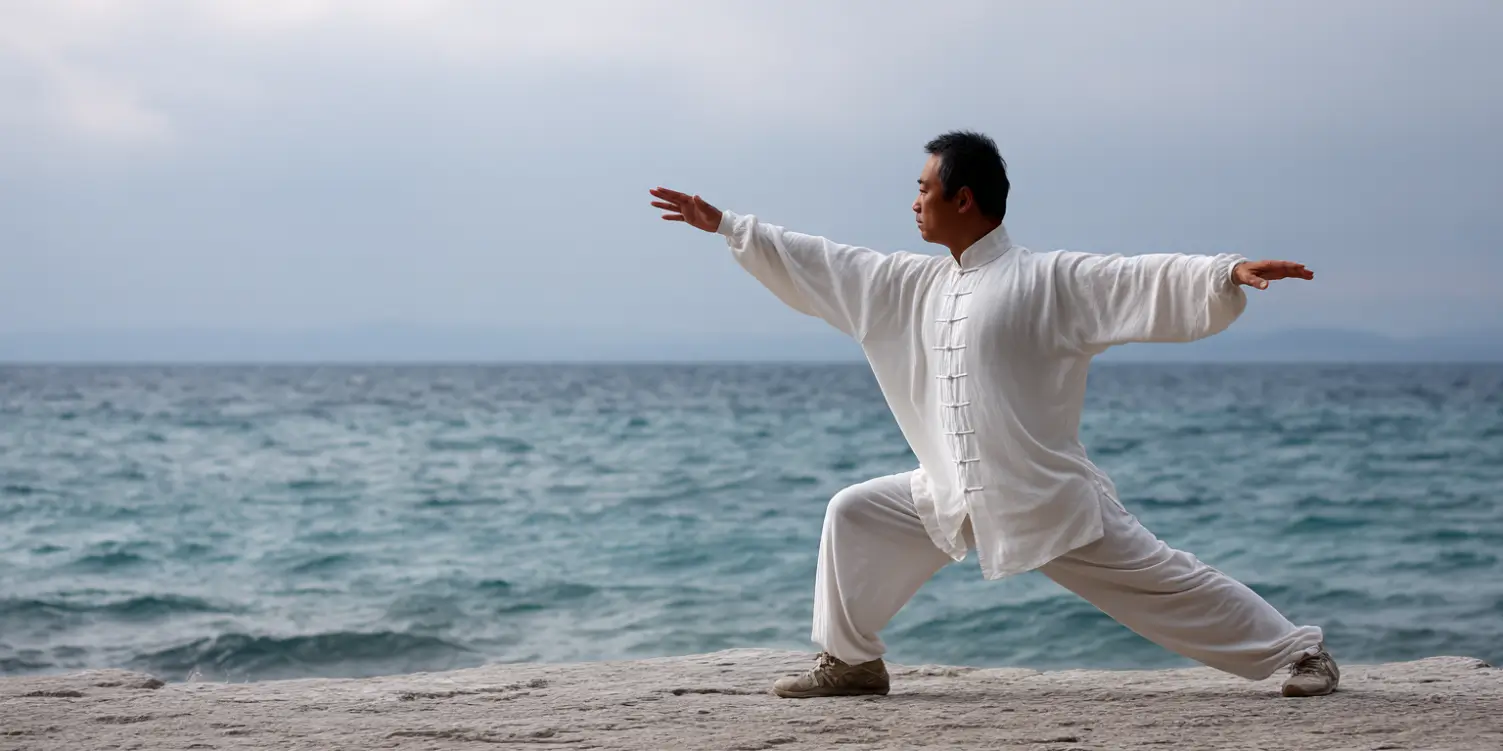
Yoga and flexibility exercises may not be at the top of typical recommendations for hypertension, but they offer significant stress-relieving benefits that indirectly aid in blood pressure management. Practices like yoga, tai chi, and Pilates emphasize deep breathing, flexibility, and muscle relaxation, which can lower stress hormone levels and decrease blood pressure.
Incorporating sessions of yoga or tai chi into one’s weekly regimen can contribute to lower stress levels, better mood regulation, and thereby support healthy blood pressure stabilization.
Finding the Right Balance
No single exercise regimen is universally superior; the best exercise program for hypertension management is one that suits individual needs and preferences. A balanced combination of aerobic, resistance, and flexibility training, tailored to individual health conditions, activity levels, and medical advice, tends to be most effective.
Consistency is crucial, as is the personalization of exercise routines. This individuality ensures compatibility with one’s lifestyle, increasing the likelihood of adherence and, consequently, better health outcomes.
Consulting with Healthcare Professionals
Before embarking on a new exercise plan, especially for individuals with chronic conditions like hypertension, it is paramount to consult healthcare professionals. They can offer personalized advice, assess current health status, and adjust medication if necessary when new exercise habits are introduced.
Conclusion