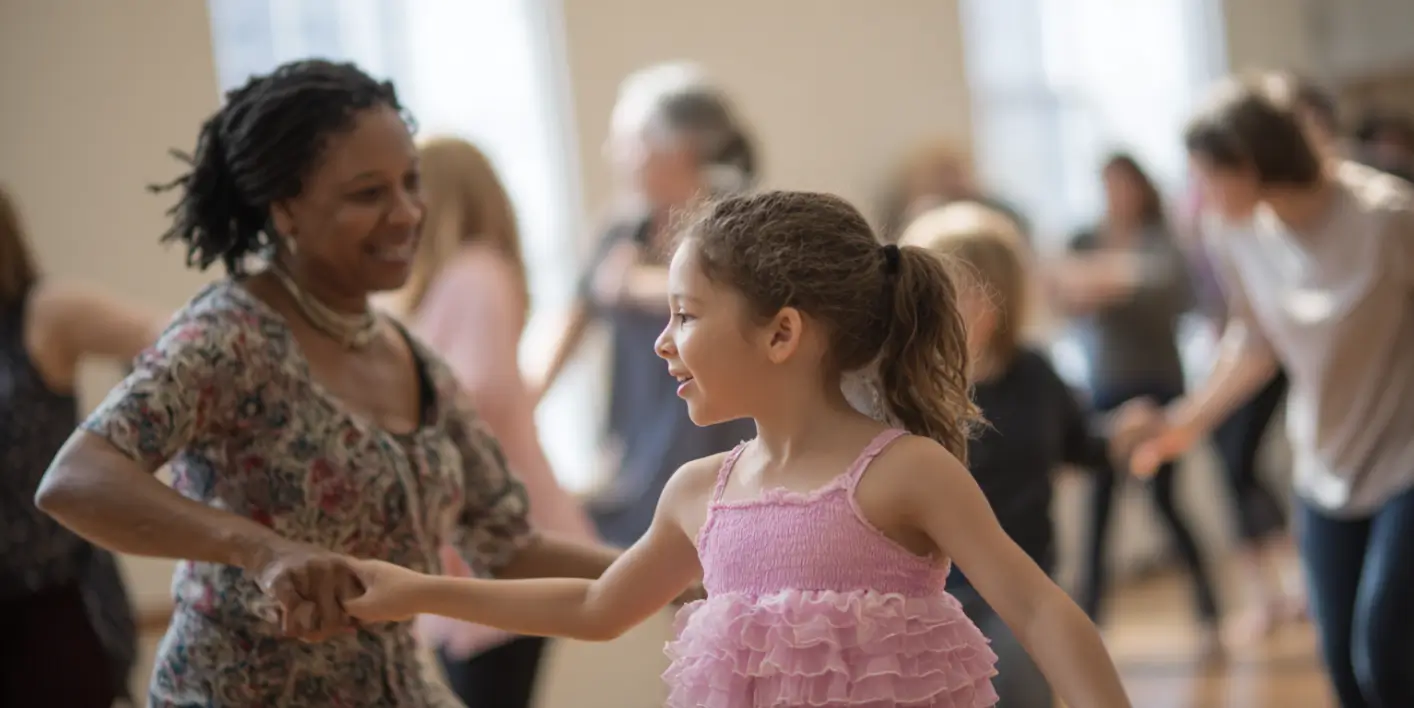
In a world that constantly demands high performance and ideal outcomes, the philosophy of progress over perfection emerges as a powerful antidote. This approach resonates with athletes, fitness enthusiasts, and even those undertaking recreational activities, as it shifts focus from flawless execution to the invaluable gains of consistent improvement.
The Pressure of Perfection
Perfectionism often stems from a desire for control and a fear of failure, leading individuals to set unrealistic standards for themselves. In the realm of sports and recreation, this can manifest as an overwhelming pressure to adhere to perfect form, obtain elite status, or even just achieve the ‘perfect’ body. Unfortunately, this mindset can result in burnout, injury, or a disheartening sense of inadequacy.
Instead of savouring their journey, perfectionists may find themselves fixated on what they haven’t yet achieved. This can stifle innovation, creativity, and even the joy that these activities are meant to bring. Thus, reframing our perception to value progress rather than perfection can be liberating.
Embracing Progress
Progress is about setting realistic goals and celebrating incremental improvements. It allows individuals to honour their unique journey, where setbacks serve as learning tools rather than indictments of one’s capabilities. By embracing this mindset, sports and recreation become avenues for personal growth and happiness rather than stress and self-criticism.
Take, for example, a recreational runner. Rather than obsessing over shaving minutes off their best time, embracing progress means valuing the days they lace up and run, even if it’s slower or shorter than before. These are victories that signify dedication and resilience.
Strategies to Foster Progress Over Perfection
To embed this mindset into your daily life, consider integrating the following strategies:
- Set SMART Goals: Specific, Measurable, Achievable, Relevant, and Time-Bound objectives encourage steady progress.
- Track Your Achievements: Maintain a journal or log your efforts through apps. Acknowledging your advancement keeps the focus on growth.
- Practice Self-Compassion: When setbacks occur, treat yourself with the kindness you would offer a friend. Accept mistakes as part of the continuum of progress.
- Embrace Flexibility: Adaptation is key. Recognize when a change in routine or technique is necessary for ongoing improvement.
- Engage with a Community: Find a group with similar interests. Shared experiences and encouragement can amplify progress and provide necessary support.
Impact on Mental and Physical Well-Being
Focusing on progress rather than perfection can significantly impact both mental and physical health. Mentally, it reduces anxiety and stress levels, fostering a positive self-image and sustained motivation. It cultivates a sense of accomplishment, reinforcing the idea that you are capable and strong, regardless of setbacks.
Physically, it decreases the risk of injury associated with overtraining or pushing beyond one’s limits in the quest for perfection. An individual who values progress is more likely to listen to their body and adjust their activities to suit their existing capabilities, leading to healthier, more sustainable performance.
Examples From the World of Sports
Numerous athletes have achieved greatness by focusing on progress. For instance, public figures like Serena Williams and Tom Brady talk openly about learning from failures and continuously striving to improve, rather than achieving immediate perfection. This outlook doesn’t just apply to elite athletes. Weekend warriors or those just starting their fitness journeys can also benefit significantly from this mindset.
By celebrating small victories and consistent development, athletes inspire others to embark on their personal journeys with a mindset that prioritizes resilience, adaptability, and a lifelong love for their sport.
In embracing the philosophy of progress over perfection, we allow ourselves and those around us to build a more balanced relationship with sports and recreation, one that is rooted in personal growth, sustainable practices, and a genuine appreciation for our endeavors. This shift not only enhances our performance but enriches our lives, bringing about a profound sense of fulfillment.