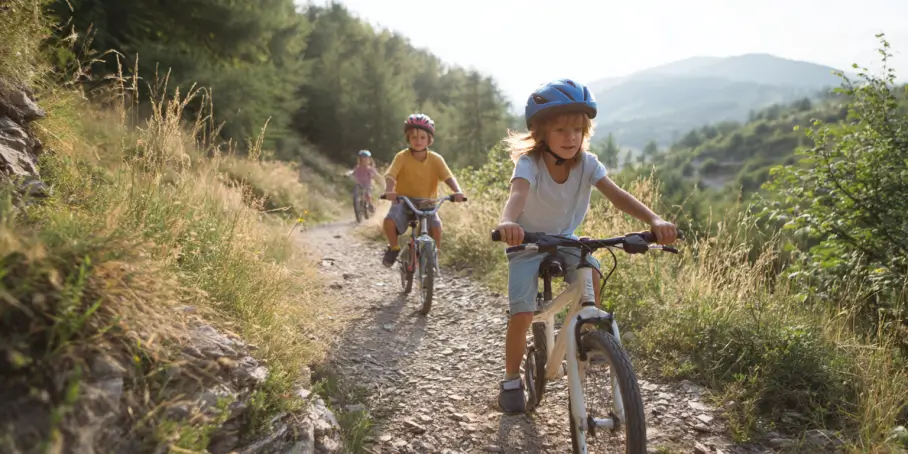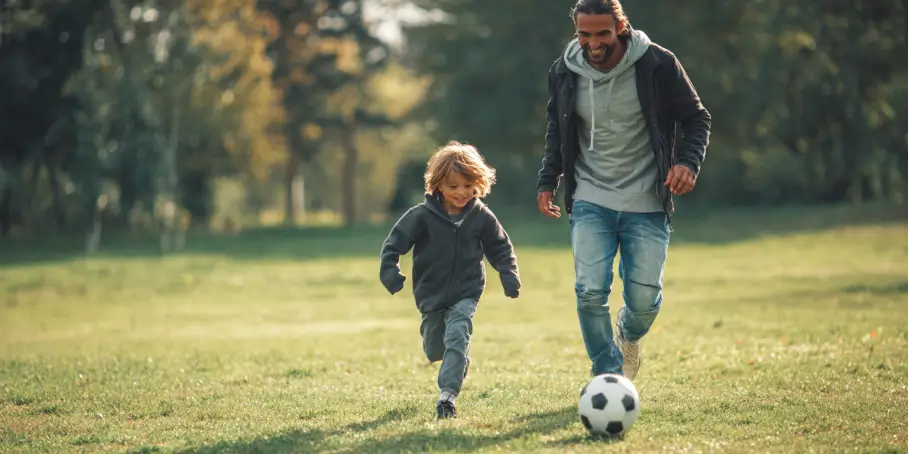
Developing confidence in physical activities is crucial for children as they grow. It not only contributes to their physical well-being but also enhances their social skills and overall confidence. Here’s how kids can learn to move with assurance and joy.
Creating a Safe Environment
For children to feel confident while moving, it is essential to create a safe and encouraging environment. Parents and instructors should ensure that the space is free from hazards. Additionally, using age-appropriate equipment and offering guidance can help kids focus on learning rather than fearing injury.
Fostering a Love for Movement
Start by introducing children to various activities to discover what they enjoy most. Sports like soccer, basketball, and swimming offer excellent opportunities for kids to learn new skills and gain confidence. Begin with simple drills and gradually introduce more complex tasks to maintain their interest.
- Soccer: Encourages teamwork and coordination. Simple passing and shooting drills can make practice enjoyable.
- Basketball: Helps build hand-eye coordination. Start with dribbling in a marked area to boost confidence.
- Swimming: An essential life skill that supports confidence in water. Begin with basic floating and gradually introduce strokes.
Emphasis on Fun Over Competition
While competition can be motivating, it’s important for children to associate physical activity with fun and enjoyment. Encouraging friendly games and celebrating participation over winning can help nurture a positive relationship with movement.
Including playful elements in routines, such as obstacle courses or treasure hunts, can make physical activities more appealing. This approach encourages kids to push their boundaries without the pressure of competing.
The Role of Positive Reinforcement
Acknowledging achievements, no matter how small, boosts a child’s morale. Parents and coaches should offer praise and constructive feedback to help kids understand their progress. Positive reinforcement can range from verbal praise to awarding certificates of participation.
Encouragement should focus on effort and improvement rather than innate talent. Statements like “I can see how hard you worked on that drill” or “You’ve improved so much since last time!” resonate more with children than simply stating they are talented.
Including Activities at Home
Parents can extend these principles by integrating physical activities into home routines. Simple exercises, outdoor play, or family walks can reinforce the notion that movement is an enjoyable part of everyday life. Encouraging kids to set personal goals, like increasing the number of steps taken in a day or mastering a new skill, fosters self-confidence and perseverance.
Consider setting up a small indoor obstacle course or having dance-off sessions during playtime. Such activities ensure that movement becomes second nature, integrating physical fitness seamlessly into their lifestyle.
Encouraging Social Interaction
Part of building confidence is helping children develop social skills through physical activities. Team sports and group exercises promote cooperation, communication, and mutual respect. These settings allow children to learn from peers, share experiences, and build friendships, further boosting their confidence.
Conclusion
By focusing on a safe and supportive environment, enjoying activities, and nurturing both physical and social skills, children can learn to move with confidence. This foundation not only enhances their current well-being but sets the stage for a lifetime of health and happiness.