In the rapidly evolving domain of sports, consistent practice forms the backbone of an athlete’s journey to success. The phrase “Built for Practice, Ready for Progress” captures the essence of dedication, discipline, and development. As John Wooden aptly said, “Success is never final; failure is never fatal. It is courage that counts.” This courage is fostered through constant practice, creating a foundation upon which athletes can excel.
The Role of Practice in Skill Development
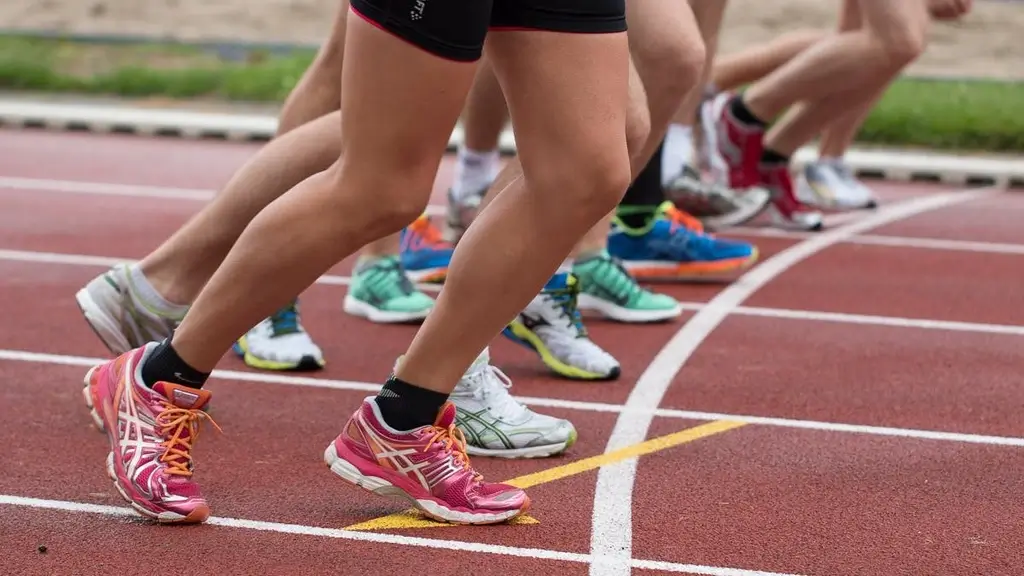
Practice is more than mere repetition. It involves strategic planning, understanding techniques, and pushing limits to achieve peak performance. By incorporating diverse training methods such as drills, simulations, and visualization exercises, athletes can significantly refine their skills. This structured approach not only enhances their abilities but also boosts their confidence on the field.
Mental Resilience through Practice
In the world of competitive sports, mental toughness is as crucial as physical prowess. Athletes often face immense pressure, both internally and externally. Regular practice helps in developing mental resilience, an attribute that helps athletes maintain focus and composure. Techniques such as mindfulness, meditation, and goal-setting exercises are integrated into routines to ensure athletes are psychologically prepared to face any challenge.
Adapting to Modern Training Methods
The sports industry has significantly benefited from technological advancements. From video analysis to wearable technology, modern training methodologies have revolutionized the way athletes train. Detailed analytics provide insights into performance metrics, helping athletes and coaches make data-driven decisions to optimize training routines. This blend of traditional methods with modern technology ensures athletes remain competitive and continue to grow.
The Importance of Rest and Recovery
While the importance of practice is undeniable, rest and recovery play a vital role in an athlete’s progress. Overtraining can lead to burnout and injuries, hampering the progress an athlete makes. Implementing strategies such as scheduled rest days, nutrition management, and rehabilitation exercises ensures that athletes remain fit and healthy, enabling them to meet the demands of the sport.
Building a Supportive Environment
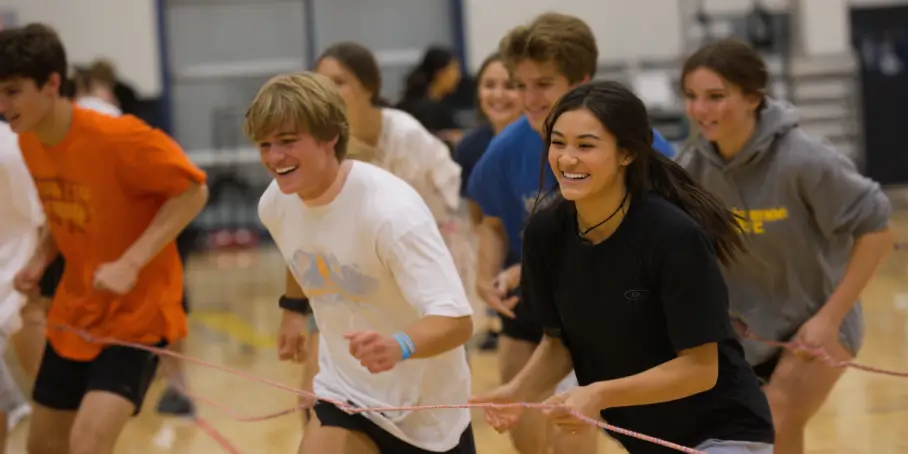
A synergistic environment is paramount for nurturing athletes. Support from coaches, teammates, and family can significantly impact an athlete’s motivation and morale. Regular feedback sessions, motivational workshops, and team-building activities foster a community where athletes feel supported and valued, encouraging them to push their boundaries and strive for excellence.
Setting Realistic Goals
Goals act as a guiding star for athletes. By setting realistic, measurable, and achievable goals, athletes can maintain a clear focus and measure their progress. Whether it’s improving personal bests, honing a specific skill, or securing a position in a team, consistent practice tailored towards these goals ensures steady progress.
Celebrating Milestones
Recognizing and celebrating achievements, no matter how small, boosts morale and motivates athletes to pursue their ambitions vigorously. Acknowledging progress—through awards, team celebrations, or personal rewards—reinforces the idea that every step forward is a step towards success.
- Understand that practice is multifaceted, involving skill development, mental resilience, and rest.
- Embrace modern training techniques that integrate technology for enhanced performance.
- Foster a supportive and motivating environment to encourage athletes.
- Utilize goal setting and celebrate achievements to maintain enthusiasm and drive.
Ultimately, the mantra “Built for Practice, Ready for Progress” is a testament to the commitment and effort required in the pursuit of athletic triumph. Continuous self-improvement paired with the strategies outlined in this approach equips athletes not only to achieve their immediate objectives but also to adapt and excel in their ever-evolving sports careers.