The world of amateur sports is undergoing a revolution, as Artificial Intelligence (AI) and Virtual Reality (VR) technologies push the boundaries of what was once possible. By 2026, these transformative tools are not just enhancing professional athletic training but are also becoming accessible to amateur athletes, reshaping how they prepare, train, and ultimately perform.
AI-Powered Personalization
One of the most significant impacts of AI on amateur sports is its ability to provide highly personalized training programs. AI analyzes vast amounts of data from athletes’ performances, such as speed, endurance, and form, to generate tailored training plans that specifically address individual needs. This level of personalization ensures that athletes are working efficiently towards their goals, reducing the risk of injury and maximizing performance gains.
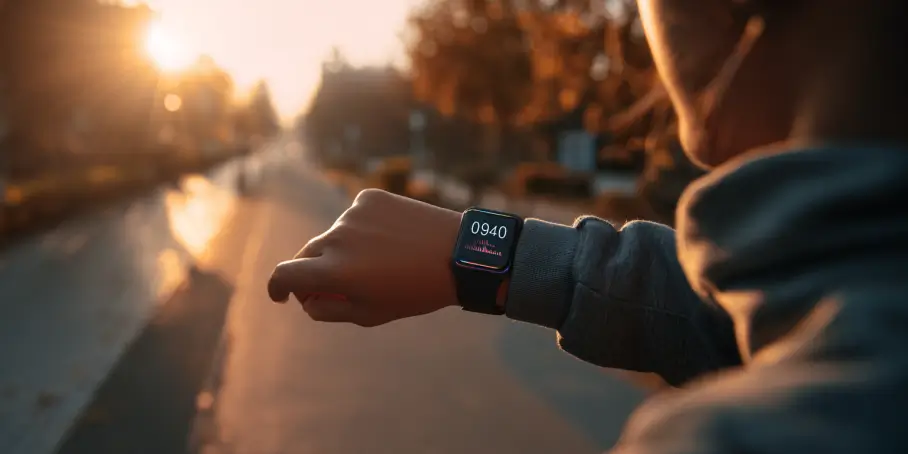
AI-powered apps can now monitor an athlete’s vital signs in real-time, adjusting training intensity based on current fatigue levels or potential risk factors identified from previous workouts. This dynamic ability to adapt training regimens makes AI an indispensable tool for both coaches and athletes, providing insights and recommendations grounded in hard data.
Virtual Reality: Immersive Training Environments
Virtual Reality is another game changer, providing amateur athletes with the opportunity to train in environments that were once limited to elite sports facilities. VR technology offers immersive training settings where athletes can refine their techniques, visualize complex plays, and even simulate the pressure of competitive events without leaving their homes.
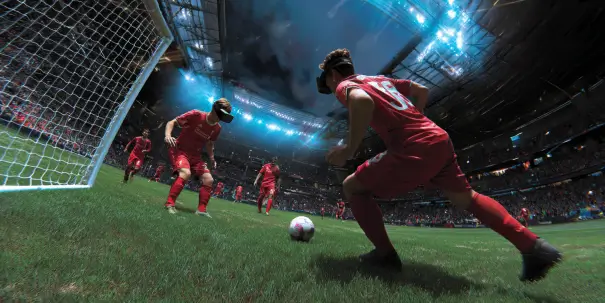
In sports like soccer, VR allows players to practice in a virtual stadium, engaging in scenarios that test their decision-making and reaction times in a true-to-life setting. For martial artists, VR can simulate sparring sessions with opponents of varying expertise, enhancing tactical skills and mental resilience.
The Integration of AI and VR in Team Sports
The synergy between AI and VR is especially potent in team sports. These technologies create a seamless training ecosystem where data-driven AI insights enhance VR experiences. For example, AI can analyze a basketball team’s defensive formations and recommend strategies to strengthen weak points while VR immerses players in game-like simulations to practice these strategies in a controlled environment.
Coaches can utilize these innovations to conduct comprehensive training plans that incorporate video analysis, targeted drills, and strategic sessions without the logistical constraints of traditional practice. The result is a deeper understanding of team dynamics and improved on-field collaboration.
Breaking Down Barriers
The democratization of AI and VR is dismantling previous barriers to high-quality training. Cost-prohibitive and complex technologies are now more affordable and user-friendly, offering amateur athletes unprecedented access to resources that can elevate their game.
Additionally, the use of these technologies has made training more inclusive. Athletes with disabilities or those from regions with limited access to physical facilities can now exploit VR environments to develop their skills and engage with a wider athletic community online. This broadened outreach paves the way for a more diverse and inclusive sports landscape.
Looking Ahead: The Future of Amateur Training
As we advance further into the digital age, AI and VR will continue to evolve, introducing even more sophisticated features that could include emotion recognition, enhanced biofeedback mechanisms, and increasingly realistic VR simulations. These innovations will push the envelope in amateur training, making it more efficient, engaging, and effective.
The integration of AI and VR in sports training is an exciting enabler for amateur athletes. With these tools at their disposal, athletes are better positioned not only to improve their own skills but also to inspire future generations towards sporting excellence.